
Houston Product
Liability Injury Lawyer
What Should You Do After a Defective Product Injury?
















Injured by a Dangerous or Defective Product?
Consumers should be able to trust that the products they buy and use are reasonably safe. Unfortunately, defective vehicles, appliances, machinery, children’s products, medical devices, tools, and household goods can cause serious or life-changing injuries.
When a dangerous or defective product causes harm, the injured person may have grounds to pursue a personal injury claim. Manufacturers, designers, distributors, suppliers, and sellers may potentially be held responsible depending on how the product was designed, manufactured, marketed, or sold.
Roxell Richards Law Firm represents individuals injured by unsafe products and handles other personal injury matters, including premises liability, slip and fall accidents, and serious injury claims. Our legal team investigates how an injury occurred, identifies potentially responsible parties, preserves important evidence, and pursues compensation for resulting losses.
Consumer product injuries are widespread. The U.S. Consumer Product Safety Commission estimated that 38.8 million people sought medical attention for consumer product-related injuries in 2024.
If a defective product injured you or a family member, you may have the right to seek compensation and hold the responsible parties accountable.
Contact Roxell Richards Law Firm today for a free case review.
Why Choose Roxell Richards Injury Law Firm?
Product liability cases often require significant investigation and technical knowledge. You need a legal team prepared to examine both the injury and the product that caused it.
Free Case Evaluation
You can discuss the accident, your injuries, and your legal options without paying an upfront consultation fee.
No Attorney’s Fees Unless We Win
Qualifying product liability matters are generally handled on a contingency-fee basis. You do not pay attorney’s fees unless compensation is recovered for you.
Detailed Product Investigations
Our legal team examines the product, its design, warnings, maintenance history, recall information, and other evidence needed to determine why it failed.
Identification of Multiple Responsible Parties
A defective product can pass through numerous companies before reaching a consumer. We investigate manufacturers, distributors, importers, wholesalers, retailers, and other businesses that may share responsibility.
Access to Technical Experts
Complex cases may require engineers, product designers, medical professionals, accident reconstruction specialists, or other experts who can explain how a product failed.
Aggressive Insurance Negotiations
Manufacturers and their insurers may deny that the product was defective or claim the consumer caused the accident. We work to challenge those defenses with evidence.
Trial-Ready Representation
Roxell Richards Law Firm prepares serious injury claims with litigation in mind. Thorough preparation can strengthen negotiations and ensure that the case is ready if a fair settlement is not offered.
Personalized Legal Support
Clients receive clear explanations and regular updates throughout the legal process.
Attorney Roxell Richards has more than 20 years of personal injury experience and leads a Houston-headquartered firm representing people harmed by negligence and defective products.

What Is a Product Liability Claim?
Product liability is the area of law involving injuries, deaths, or property damage allegedly caused by defective products.
Texas Civil Practice and Remedies Code Chapter 82 defines a products liability action broadly to include claims against manufacturers or sellers arising from personal injury, death, or property damage allegedly caused by a defective product. These actions may involve legal theories such as strict products liability, negligence, misrepresentation, or breach of warranty.
A product may be dangerous because of:
- Its design
- An error during manufacturing
- Missing or inadequate warnings
- Incorrect instructions
- Defective components
- Contamination
- Improper assembly
- Other safety failures
The specific legal theory depends on how the product became unsafe and who was responsible.
Product Liability Is Part of a Broader Personal Injury Claim
A defective product case does not end with proving that a product malfunctioned. The claim must also account for how the injury has affected your health, work, finances, family, and future.
For that reason, product liability is closely connected to the firm’s broader Houston Personal Injury Lawyer practice.
A product injury victim may be entitled to pursue compensation for medical treatment, lost income, reduced earning capacity, pain and suffering, disability, disfigurement, and other accident-related losses. The personal injury process also addresses evidence preservation, insurance disputes, comparative fault, damages, and litigation.
Roxell Richards Law Firm examines these issues together. Rather than focusing only on the defective item, we investigate the companies responsible for putting it into the marketplace and document the full effect the injury has had on your life.
How Common Are Consumer Product Injuries?
Product-related injuries affect millions of Americans each year.
The CPSC’s National Electronic Injury Surveillance System (NEISS) uses a national probability sample of U.S. hospital emergency departments to estimate injuries associated with consumer products. The surveillance program has operated for more than 45 years and helps federal safety officials identify injury patterns and emerging hazards.
CPSC’s 2024 injury report estimated that approximately 38,826,000 people sought medical attention for consumer product-related injuries during the year.
These figures do not mean that every product involved was legally defective. They do demonstrate how frequently consumer products are associated with injuries and why careful product design, manufacturing, warnings, testing, and recalls matter.
Three Common Types of Product Defects
Design Defects
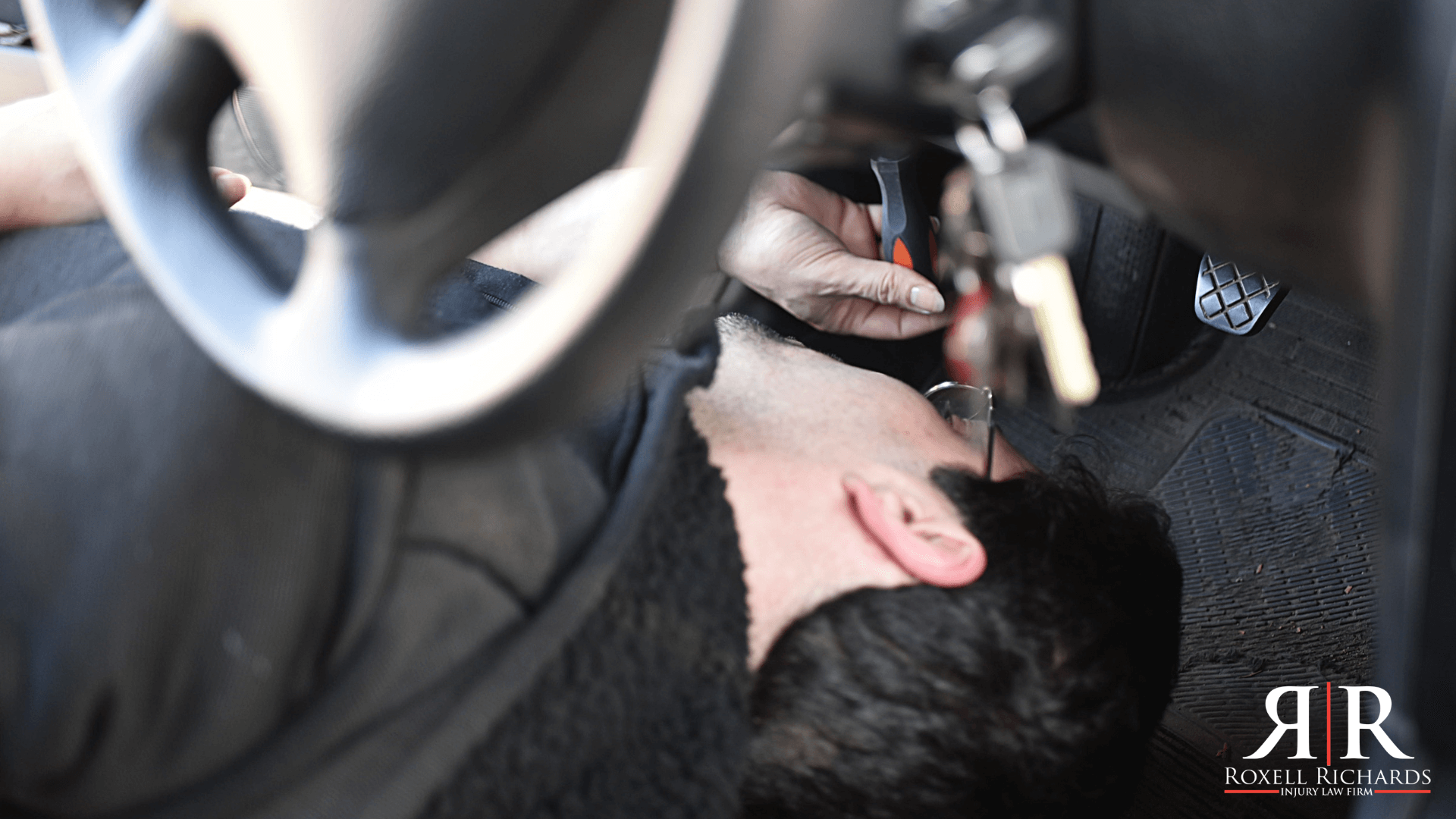
A design defect exists when the product’s basic design creates an unreasonable danger.
In these cases, the problem may affect every product manufactured according to that design.
Examples may include:
- Machinery without adequate guarding
- Furniture that tips too easily
- Vehicles with unsafe structural designs
- Children’s products with entrapment hazards
- Power tools without reasonable safety features
A design case may require engineers or other specialists to examine whether a safer alternative design was available and practical.
Manufacturing Defects
A manufacturing defect occurs when a particular product does not match its intended design because something went wrong while it was being produced or assembled.
Examples include:
- Improperly installed components
- Contaminated materials
- Weak welds
- Missing bolts
- Incorrect electrical wiring
- Defective batteries
- Cracked structural components
- Improper assembly
Manufacturing records and inspection data may help determine where the failure occurred.
Failure to Warn or Inadequate Instructions
Even a properly designed and manufactured product may be dangerous if users are not warned about significant risks.
A failure-to-warn claim may involve:
- Missing warnings
- Incomplete instructions
- Warnings that are difficult to see
- Failure to explain known hazards
- Inadequate age restrictions
- Failure to provide proper safety procedures
Warnings should give consumers enough information to use a product safely and understand significant foreseeable risks.
What Is a Product Recall?
A recall occurs when a manufacturer or government agency identifies a product with a safety defect or significant hazard and takes steps to correct the problem.
A recall may involve:
- Returning the product
- Repairing it
- Replacing a component
- Issuing updated instructions
- Providing a refund
- Warning consumers to stop using it
The CPSC maintains a public database of consumer product recalls and safety warnings.
Does a Recall Automatically Prove My Case?
No. A recall can provide important evidence, but the existence of a recall does not automatically prove that the manufacturer is legally responsible for a particular injury.
Likewise, the absence of a recall does not necessarily mean a product was safe.
A product liability attorney may investigate:
- When the manufacturer learned about the defect
- Earlier consumer complaints
- Similar accidents
- Internal testing
- Product modifications
- Regulatory reports
- Whether the recall covered your exact model
- Whether the defect caused your injury
Who Can Be Held Responsible for a Defective Product?
A product may pass through several companies before reaching you.
Potential defendants may include:
Manufacturers
A manufacturer may be responsible for defective design, manufacturing errors, component failures, or inadequate warnings.
Component Manufacturers
Many products contain parts made by separate companies. A defective battery, tire, valve, electrical system, fastening mechanism, or other component may have caused the final product to fail.
Distributors
Companies that distribute defective products may become part of the legal analysis depending on the circumstances and Texas law.
Retailers and Sellers
Texas law contains specific provisions regarding liability involving nonmanufacturing sellers, so responsibility must be evaluated on a case-by-case basis.
Importers
Foreign-manufactured products may enter the United States through domestic importers or distributors. Those companies may become important when determining responsibility and available insurance coverage.
Maintenance and Repair Companies
Sometimes the original product was reasonably safe but became dangerous because of negligent repair, maintenance, or modification.
The investigation should determine whether the defect existed when the product was sold or developed later because another party altered it.
What Should You Do After a Defective Product Injury?

1. Get Medical Treatment
Seek emergency or follow-up medical care as soon as possible. Tell your healthcare provider exactly how the injury occurred and identify the product involved.
2. Stop Using the Product
Do not continue using something you believe caused an injury. Move it to a secure location when doing so does not create an additional safety hazard.
3. Preserve the Product
Keep:
- The product
- Packaging
- Instructions
- Warning labels
- Receipts
- Replacement parts
- Accessories
Do not return the product to the manufacturer or retailer before obtaining advice about evidence preservation.
4. Photograph Everything
Take photographs or videos of:
- The product
- Damaged components
- Serial numbers
- Model numbers
- Warning labels
- The accident scene
- Your injuries
- Property damage
5. Record What Happened
Write down the circumstances while your memory is fresh.
Include:
- What you were doing
- How the product was being used
- Whether you followed the instructions
- What happened immediately before the failure
- Sounds, smells, smoke, sparks, or unusual movement
- Names of witnesses
6. Look for Recall Information
CPSC and other federal agencies maintain databases where consumers can check product recalls. However, do not assume you lack a claim simply because no recall appears.
7. Keep Medical Bills and Other Records
Save:
- Medical bills
- Prescription receipts
- Pay records
- Work restrictions
- Insurance letters
- Repair estimates
- Transportation expenses
8. Avoid Detailed Statements to Corporate Insurers
A manufacturer or insurance company may contact you for additional information.
Do not allow the product to be taken or destroyed and consider speaking with an attorney before giving a detailed recorded statement.
9. Contact a Product Liability Lawyer
A lawyer can help preserve the product, investigate other incidents, identify responsible companies, and arrange expert analysis.
What Compensation May Be Available?
A product liability claim may seek compensation for both economic and non-economic losses.
Medical Expenses
Compensation may include:
- Emergency treatment
- Hospitalization
- Surgery
- Diagnostic testing
- Medication
- Physical therapy
- Rehabilitation
- Medical equipment
- Prosthetics
- Home healthcare
- Future treatment
Lost Wages
You may seek compensation for income lost while recovering or attending medical appointments.
Reduced Earning Capacity
A permanent injury may prevent you from returning to your previous job or earning the same income.
Pain and Suffering
A serious product injury can cause significant physical pain and disruption to everyday life.
Emotional Distress
Explosions, burns, amputations, or other traumatic accidents may cause anxiety, depression, nightmares, or post-traumatic stress.
Disability and Physical Impairment
Compensation may account for limitations on movement, independence, and daily activities.
Scarring and Disfigurement
Burns, lacerations, amputations, and surgery may permanently alter a person’s appearance.
Property Damage
A defective product may also damage a home, vehicle, personal belongings, or other property.
Loss of Enjoyment of Life
An injury may prevent you from enjoying hobbies, family activities, exercise, travel, and other parts of everyday life.
Wrongful Death Damages
When a defective product causes a fatal injury, qualifying family members may be able to pursue compensation related to the death.
Every case is different. No attorney can guarantee a particular settlement or verdict.
Evidence That Can Strengthen a Product Liability Claim
Product cases depend heavily on physical and technical evidence.
Important evidence may include:
- The defective product itself
- Product packaging
- Instruction manuals
- Warning labels
- Receipts
- Serial and model numbers
- Photographs and videos
- Accident-scene evidence
- Medical records
- Witness statements
- Recall notices
- Consumer complaints
- Repair records
- Maintenance records
- Warranty information
- Product-testing records
- Design specifications
- Manufacturing records
- Expert inspections
Do Not Throw Away the Product
Preserving the product may be one of the most important things you can do.
Do not:
- Repair it
- Take it apart unnecessarily
- Return it to the manufacturer without legal guidance
- Alter it
- Allow another person to dispose of it
- Throw away packaging or instructions
Keep the product in a secure location if doing so is safe.
A lawyer may arrange for appropriate experts to inspect and document it.

How Long Do You Have to File a Product Liability Claim in Texas?

Deadlines matter in defective product cases. Texas generally requires personal injury lawsuits to be filed within two years after the cause of action accrues, subject to statutory exceptions.
Product liability claims can also involve additional rules, including Texas statutes specifically governing products liability actions.
Do not assume that every defective-product case has the same deadline.
Factors affecting the analysis can include:
- When the injury happened
- When the product was sold
- The age of the product
- The type of claim
- The age or legal capacity of the injured person
- The identity of the defendant
- Whether death resulted
- Other statutory exceptions
Waiting also creates practical problems even before a legal deadline expires.
Products can be discarded, repaired, recalled, modified, or destroyed. Companies may change records and employees may become difficult to locate. Prompt investigation can help protect evidence.
Speak With a Houston Product Liability Lawyer Today
A dangerous product can cause a life-changing injury in seconds.
The company responsible for that product may already have lawyers, engineers, and insurance professionals protecting its interests. Important evidence can disappear when a defective item is repaired, returned, altered, or destroyed.
Roxell Richards Law Firm can preserve the product, investigate the defect, identify responsible companies, document your losses, and pursue the compensation available under Texas law.
If your injuries are part of a broader negligence claim, you can also learn more about your rights and available damages through our Houston Personal Injury Lawyer resource.
Contact Roxell Richards Law Firm today for a free case review.
Texas Office:
6420 Richmond Avenue, Suite
135Houston, TX 77057
Call: (713) 974-0388
Text: (832) 480-7413
Consultations are free. You do not pay attorney’s fees unless the firm recovers compensation for you.

Attorney Roxell Richards
This Houston Personal Injury Lawyer service page is provided by Roxell Richards Law Firm, a Texas-based personal injury law firm representing individuals and families harmed by negligence, unsafe conditions, defective products, and preventable accidents. The firm helps injury victims understand their legal rights, navigate insurance and liability claims, and pursue compensation for their injuries and related losses.
Roxell Richards, attorney and founder of Roxell Richards Law Firm, brings more than 20 years of experience representing clients in personal injury and civil litigation matters across Texas. Her practice includes cases involving serious injuries, disputed liability, insurance coverage issues, and complex claims. The firm’s approach emphasizes clear communication, individualized case evaluation, and client-focused representation at every stage of the legal process.
The information provided on this page is for general informational purposes only and does not constitute legal advice. Individuals seeking guidance about an injury caused by another party’s negligence are encouraged to consult with a Houston personal injury lawyer regarding their specific circumstances.



















LEARN YOUR PERSONAL INJURY ACCIDENT RIGHT NOW!
CASE RESULTS
Roxell Richards Injury Law Firm is here to help after a motorcycle accident. Our attorneys understand the complexities of these cases and will fight for your rights and full compensation with dedication. Trust us to protect your interests every step of the way.
$3 Million
SETTLEMENT
CAR ACCIDENT
$550,000
SETTLEMENT
MOTORCYCLE ACCIDENT
$600,000
SETTLEMENT
TRUCK ACCIDENT
$541,329
JURY VERDICT
MINOR CAR ACCIDENT
RELATED
PRACTICE AREAS
Personal Injury Accidents